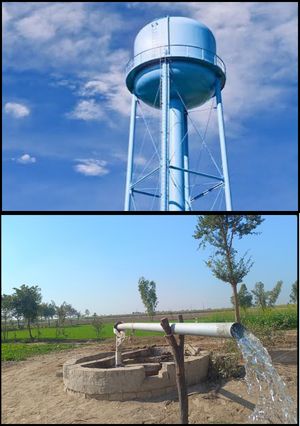
World Water Monitoring Day is a reminder of how important it is to understand and protect the water resources we depend on every day. The observance encourages greater awareness of water quality and the role monitoring plays in helping communities better understand their local water.
While water monitoring often brings to mind rivers, lakes, streams, and groundwater, water quality also matters much closer to home. The water flowing from your faucets is used for drinking, cooking, bathing, cleaning, and washing every day, making its quality an important part of daily life.
This World Water Monitoring Day, take a closer look at the water in your own home. From hard water and mineral buildup to chlorine taste, odors, iron, and other common concerns, household water can have different characteristics depending on where it comes from and how it reaches your home.
World Water Monitoring Day Starts With Understanding Local Water
World Water Monitoring Day brings attention to the importance of understanding water quality at the local level.
Monitoring rivers, lakes, streams, groundwater, and other water sources helps communities learn more about the water around them. That same awareness can also extend to the water homeowners use every day.
Depending on where you live, your water may come from groundwater, wells, lakes, rivers, reservoirs, or a combination of sources. Public water systems treat water before it reaches homes, while private well owners are responsible for monitoring and maintaining their own water supply.
Even homes in nearby communities can experience different water conditions depending on the water source, treatment process, plumbing, and natural mineral levels.
World Water Monitoring Day offers a simple reminder: learning more about your local water can help you make informed choices about the water you use at home.
Common Water Quality Concerns at Home
Water can vary from one community to another. Local water sources, natural minerals, treatment methods, and household plumbing can all affect how water looks, tastes, smells, and feels.
Some homeowners may notice hard water, chlorine taste or smell, iron staining, sediment, or other changes in their water. The exact cause can vary, which is why understanding your own water is important.
Hard Water and Mineral Buildup
Hard water contains minerals such as calcium and magnesium. These minerals can leave behind noticeable signs throughout the home.
Common signs of hard water include:
- White buildup on faucets and showerheads
- Spots on dishes and glassware
- Soap that does not lather as easily
- Scale inside water-using appliances
- Laundry that may feel stiff after washing
A water softener can help reduce the hardness minerals that cause scale and buildup.
Chlorine Taste or Smell
Many public water systems use chlorine or other disinfectants as part of the treatment process.
Some homeowners may notice a chlorine taste or smell in their tap water. A water filtration system may help improve the taste and odor of water used for drinking and cooking.
Iron and Rust-Colored Stains
Iron can sometimes be found in groundwater and private well water.
It may contribute to orange, red, or brown stains around sinks, tubs, toilets, or laundry. Because staining can have several possible causes, testing the water can help provide a better understanding of what may be affecting it.
Taste, Odor, or Sediment
Unusual taste, odor, cloudiness, or visible particles can make homeowners wonder about their water quality.
These concerns can come from different sources. Rather than guessing, a water test can help identify common water conditions and determine what type of treatment may be helpful.
Bring Water Monitoring Home
World Water Monitoring Day encourages people to pay closer attention to the water around them. Homeowners can apply that same idea by learning more about the water coming from their own faucets.
Water concerns can vary even from one home to another. One homeowner may notice hard water scale, while another may want better-tasting drinking water. A home that relies on a private well may experience iron, sediment, or other water concerns.
That is why choosing a water treatment system should begin with understanding your water.
A home water test can provide helpful information about common water conditions and what may be causing the issues you notice around your home.
Finding the Right Water Solution for Your Home
Once you understand your home’s water, you can decide whether a treatment system could help address your specific concerns.
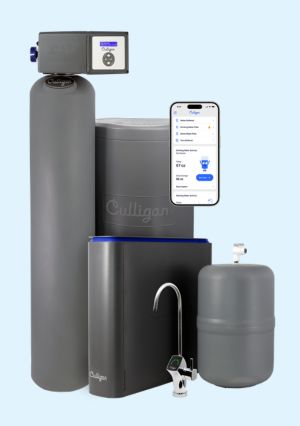
Culligan offers several types of home water treatment solutions based on water conditions and household needs.
Water Softeners
If testing shows that hard water is contributing to scale and mineral buildup, a Culligan water softener can help reduce hardness minerals before the water moves throughout your home.
Softened water can help reduce scale around faucets and fixtures and help protect appliances that use water.
Whole-Home Water Filtration
A whole-home water filtration system treats water as it enters the home. Depending on the type of filter, these systems can help address certain tastes, odors, chlorine, sediment, and other water concerns.
Because different filters are designed for different needs, testing your water can help determine which type of filtration makes sense for your home.
Reverse Osmosis Drinking Water Systems
For homeowners looking for additional filtration for drinking and cooking water, a reverse osmosis system can provide filtered water from a dedicated faucet, typically at the kitchen sink.
Reverse osmosis uses multiple stages of filtration to reduce a wide range of substances that may be present in water.
The right solution depends on your water conditions, your home’s water supply, and what you would like to improve about your water.
Make Water Quality Part of the Conversation at Home
World Water Monitoring Day is about more than thinking about water for one day. It is an opportunity to become more aware of one of the most important resources we use every day.
At home, that awareness can begin right at the kitchen faucet.
Take a look around your home. Do you see mineral buildup around faucets? Spots on dishes? Rust-colored stains? Does your drinking water have a taste or smell you would like to improve?
These everyday signs may be a reason to learn more about your water.
Understanding your water can help you make better-informed decisions about whether water treatment may be right for your home.
Discover More About Your Water With Culligan
Your local Culligan water experts understand that water conditions can vary from one community and home to another. That local experience can help identify common water concerns and determine which treatment options may best fit your household.
Culligan offers free in-home water testing to help you better understand your water and find the right solution for your home. Contact your local Culligan team today to schedule your water test and take a closer look at the water your family uses every day.