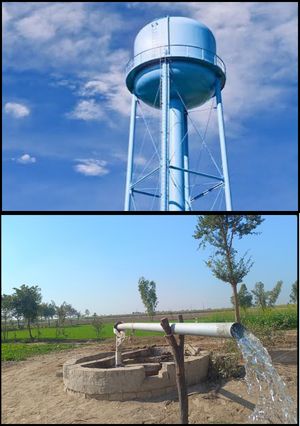
Every home needs water, but not every home gets it from the same source. Some homeowners receive water from a public or city water system, while others rely on a private well.
Where your water comes from can affect how it is treated, monitored, and experienced throughout your home. City water and well water can also come with different concerns, including hard water, chlorine taste or smell, iron, sediment, and mineral buildup.
Understanding how your water source affects your home is an important first step toward better understanding your water quality. Whether you rely on city water or a private well, knowing what may be affecting your water can help you decide whether a water softener, filtration system, reverse osmosis system, or another treatment option may be right for your home.
What Is City Water?
City water, also known as municipal water, is supplied by a public water system. Depending on the community, the water may come from rivers, lakes, reservoirs, groundwater, or a combination of sources.
Before city water reaches your home, it goes through a treatment process. Public water systems also test and monitor the water they provide.
Even after treatment, however, homeowners may notice certain qualities in their water that they would like to improve.
Common City Water Concerns
Depending on the local water source and treatment process, homeowners with city water may notice:
- Chlorine taste or smell
- Hard water and mineral buildup
- White spots on dishes and glassware
- Scale around faucets and showerheads
- Unwanted tastes or odors
- Sediment or discoloration in some situations
Chlorine is commonly used during municipal water treatment. While it serves an important purpose, some homeowners may still notice its taste or smell in tap water.
City water can also be hard. Hard water contains naturally occurring minerals such as calcium and magnesium that can leave buildup around the home.
What Is Well Water?
Private well water usually comes from groundwater beneath the property. A well brings that groundwater into the home for drinking, cooking, bathing, cleaning, and other everyday uses.
Unlike city water, private well water does not first pass through a municipal water treatment system. The homeowner is responsible for maintaining the well, testing the water, and deciding whether treatment is needed.
Because groundwater comes into contact with soil, rocks, and natural minerals, well water can vary from one property to another.
Common Well Water Concerns
Homeowners with private wells may experience issues such as:
- Hard water
- Iron
- Rust-colored staining
- Sediment
- Unpleasant odors
- Changes in taste
- Cloudiness or discoloration
Iron, for example, may leave orange, red, or brown stains on sinks, tubs, toilets, fixtures, or laundry.
Some well water may also contain high levels of hardness minerals. This can lead to scale buildup around faucets and inside water-using appliances.
Because well water conditions can change over time, regular water testing can help homeowners stay informed about their water.
City Water vs. Well Water: What Are the Main Differences?
The biggest difference between city water and well water is where the water comes from and who is responsible for monitoring it.
With city water, a public water system treats and monitors the water before distributing it to homes.
With a private well, the homeowner is responsible for maintaining the water source and arranging regular testing.
However, having city water does not mean you will never experience water concerns, and having well water does not automatically mean your water needs extensive treatment.
Both types of water can have characteristics homeowners may want to improve.
Hard Water Can Affect Both City and Well Water
Hard water is a common concern for both city and well water.
Hard water contains calcium and magnesium. As water moves through the home, these minerals can leave scale and buildup behind.
Signs of hard water may include:
- White or chalky buildup around faucets
- Spots on clean dishes and glasses
- Scale on showerheads
- Soap that does not lather easily
- Mineral buildup in water-using appliances
- Laundry that feels stiff after washing
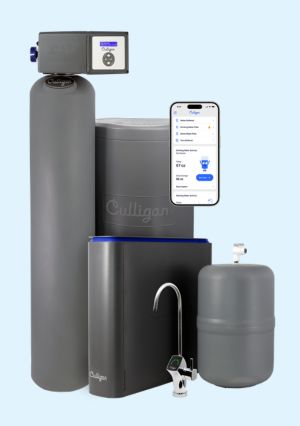
If hardness is a concern, a Culligan water softener can help reduce the minerals that cause hard water scale.
Why Water Testing Matters
Knowing whether you have city water or well water is helpful, but it does not tell you everything about the water coming from your faucets.
Water conditions can vary from one home to another. Even nearby homes may experience different water concerns because of the water source, plumbing, mineral levels, or other factors.
That is why testing is an important step before choosing a treatment system.
A home water test can help identify common conditions such as hardness, iron, and other concerns that may be affecting your household water.
Testing can also help take the guesswork out of water treatment. Instead of choosing a system only because your water looks, tastes, or smells different, you can better understand what may be causing the issue first.
A Culligan water test can help you better understand common water conditions and determine whether a water softener, filtration system, or another treatment option may be right for your home.
Understand Your Water With Culligan
City water and well water each have different characteristics, but both can come with water quality concerns.
Knowing where your water comes from is a good start. Understanding the water coming from your faucets can tell you even more.
Your local Culligan water experts can help identify common water concerns and recommend treatment options based on your household’s needs. Whether you are dealing with hard water, chlorine taste, iron, sediment, or simply want better-tasting drinking water, Culligan offers solutions including water softeners, whole-home filtration, and reverse osmosis drinking water systems.
Culligan offers free in-home water testing to help you understand your water and find the right solution for your home. Whether you rely on city water or a private well, contact your local Culligan team today to schedule your water test.