Each year, the City of Houston publishes a report on its drinking water. Here is a plain-English look at the main system results homeowners ask about most. For every result, see the city’s full 2025 report.
Where the water comes from
Houston’s main system is 90.3% surface water and 9.7% groundwater. Surface water comes from the San Jacinto River (Lake Conroe and Lake Houston) and the Trinity River (Lake Livingston). Groundwater comes from deep wells in the Evangeline and Chicot aquifers.
Hardness: 135.5 ppm average
That is about 8 grains per gallon, which falls in the hard range. Results ranged from 43.5 to 229 ppm, so some homes see much harder water than others. A water softener is the usual fix for scale and spotting.
Total dissolved solids: 260 ppm average
TDS measures the minerals, salts and metals dissolved in water. Houston’s average is below the 500 ppm secondary standard listed in the report. A reverse osmosis system can reduce TDS further in drinking water.
Chloramine: 2.8 ppm average
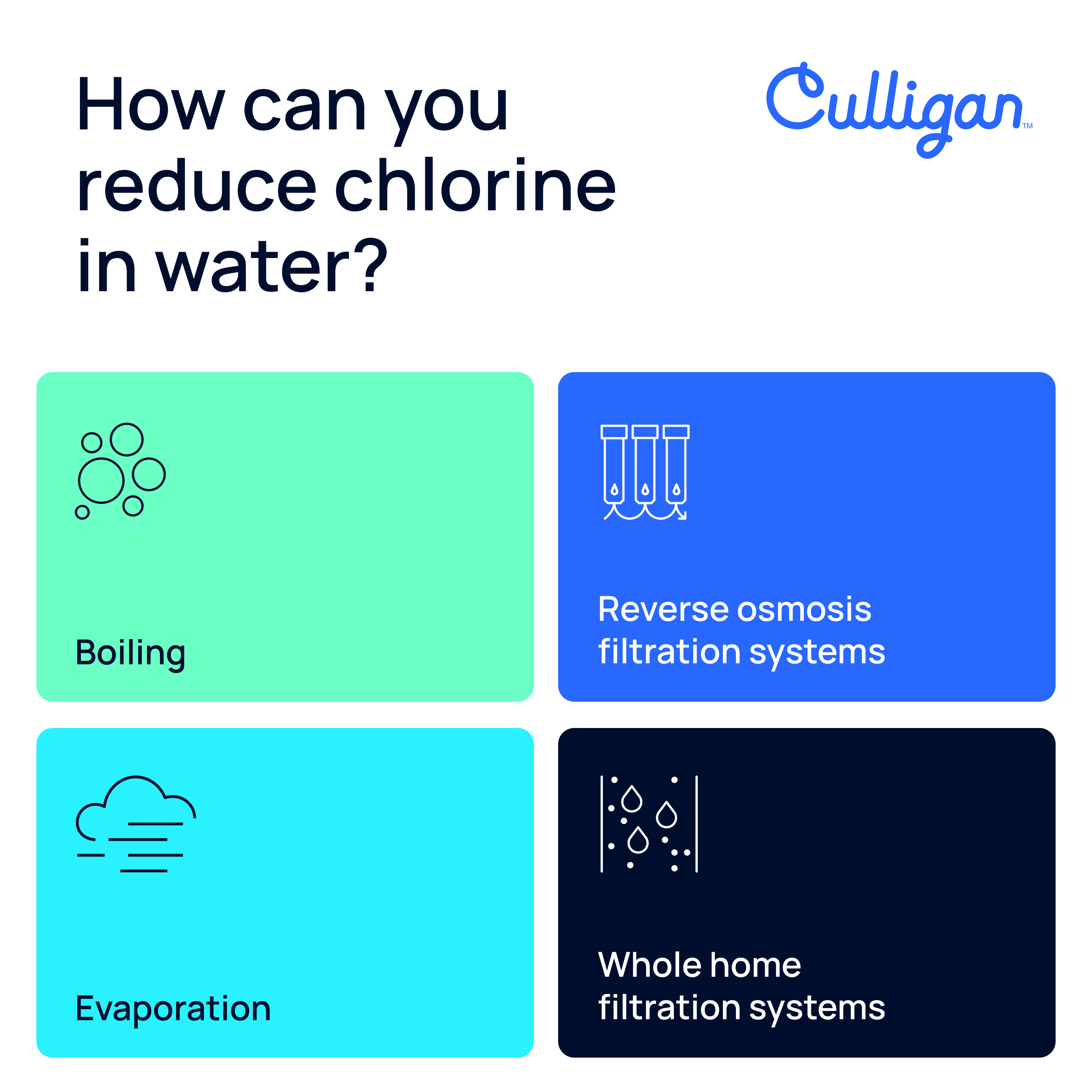
Chloramine is the disinfectant that keeps water safe as it moves through the system. The 2025 average was under the 4 ppm limit. Some people notice its taste or smell, and filtration designed for chloramine can reduce it.
Lead and copper
In the main system, 90% of 2025 samples were below 5.1 parts per billion for lead, against an action level of 15, and below 0.22 ppm for copper, against an action level of 1.3. No samples were above either level. These metals usually come from household plumbing, so results can differ from home to home.
Your tap is what matters
The city’s report covers its own systems. Many Houston-area homes are served by utility districts or private wells instead. A home test shows what is actually coming out of your tap. Culligan of Houston can test your water at your home for free. Schedule your free water consultation.