Water across the Dallas–Fort Worth area comes from many different lakes, rivers and wells, so hardness varies from one city to the next. The easiest way to decide whether you need a softener is to look for the signs, then test.
Signs of hard water
- White or chalky scale on faucets, showerheads and glass shower doors
- Spots and film on dishes and glassware
- Soap and shampoo that do not lather well
- Dry skin and dull hair
- Stiff, dingy laundry
- Scale inside water heaters, dishwashers and washing machines
Why your neighbor’s water may be different
Dallas Water Utilities alone draws from seven surface water sources, and many nearby cities buy water from other regional suppliers or use their own wells. Your hardness depends on which system serves you, and homes on private wells can differ even more. Your city’s annual water quality report is a good starting point, but a home test shows what is coming out of your own tap.
What a softener does, and does not do
A water softener removes the minerals that cause hardness before they reach your faucets and appliances. It should be sized to your water’s hardness and your household’s water use.
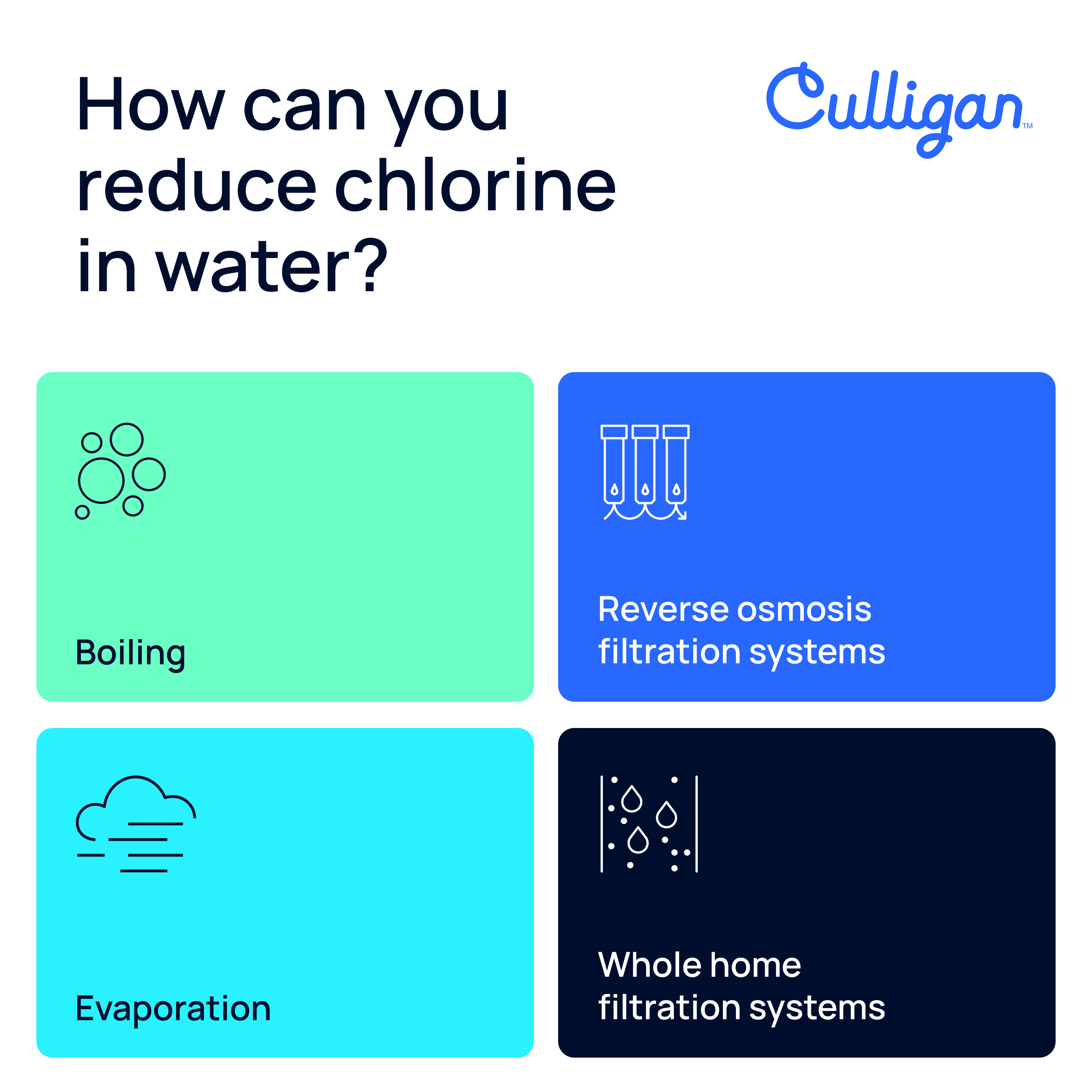
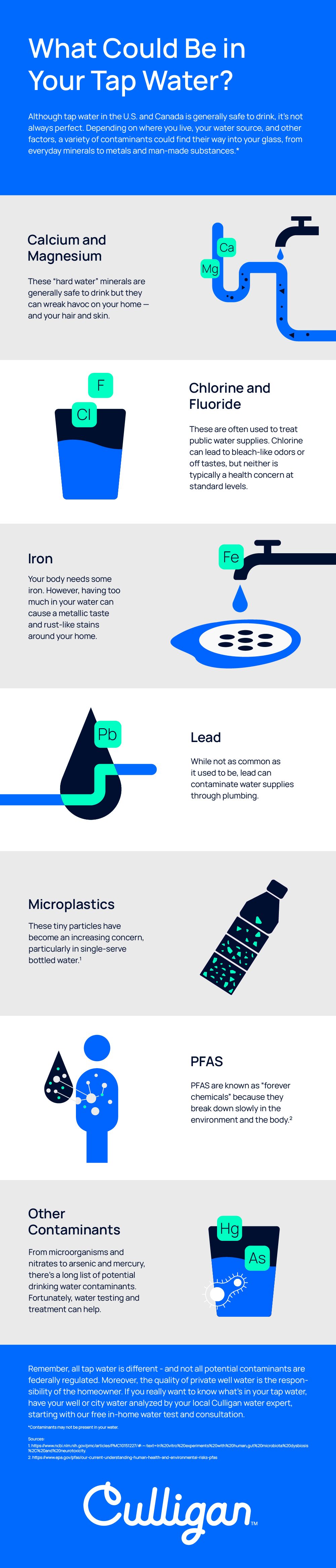
A softener does not remove chlorine or chloramine, and it does not lower total dissolved solids. If taste and odor bother you, filtration or reverse osmosis can work alongside it.
Test before you buy
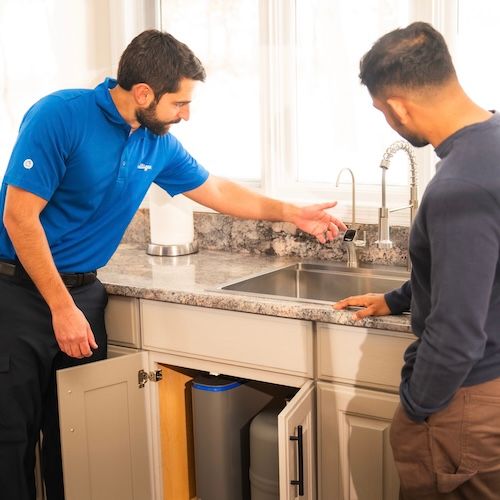
Our local team serves Irving, Dallas and communities across the Dallas–Fort Worth area. We can test your water at your home for free and recommend what your home actually needs. Schedule your free water consultation.