Water is essential for your health, your home, and your daily routine. But if your tap water looks cloudy, brown, yellow, blue, green, black, or pink, it could be a sign that something is affecting your water quality.
The color of your tap water can reveal important clues about your plumbing, minerals in your water, or possible contaminants. Some water discoloration is harmless, while other changes may point to a problem that needs attention. Understanding tap water color can help you protect both your family and your home.
What Does the Color of Your Tap Water Mean?
Not all tap water looks the same. Changes in color can happen for many reasons, including air bubbles, pipe corrosion, minerals, sediment, or bacteria. Looking closely at your water can help you spot possible issues early.
Here are some of the most common tap water colors and what they may mean.
Red, Brown, Orange, or Yellow Tap Water
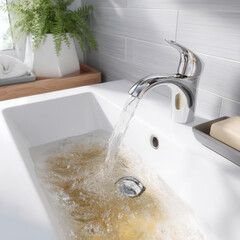
Red, brown, orange, or yellow tap water is often caused by rust, iron, or disturbed sediment in water pipes or the local water main. This water may also have a metallic taste.
In many cases, this type of water is not dangerous for short-term use, but it can stain sinks, tubs, laundry, and fixtures. If the color does not clear up, it may be a good idea to contact your water utility or schedule a water test.
Milky White or Cloudy Tap Water
Cloudy or milky white tap water is usually caused by tiny air bubbles in the water. This is often harmless and may happen in colder weather or after plumbing work.
A simple way to check is to fill a clear glass with water and let it sit. If the cloudiness clears from the bottom up in a few minutes, it is most likely just air.
Blue or Green Tap Water
Blue or green tap water may be a sign that copper pipes are corroding. This often happens when water is too acidic.
Copper in water can leave blue-green stains on sinks, tubs, and fixtures. In higher amounts, copper may also create health concerns. If you notice blue or green water, it is a good idea to have your water tested and check for pipe corrosion or pH problems.
Black Tap Water
Black tap water may be caused by manganese in the water supply or by rubber parts in old faucets, hoses, or filters beginning to break down.
If black water continues, a professional water test can help identify the source and determine the right filtration solution.
Pink Tap Water or Pink Slime
Pink tap water or a pink film around drains, tubs, or shower areas is often linked to airborne bacteria such as Serratia marcescens. It may also be related to substances used in water treatment in some cases.
Pink buildup is a sign that your home may need better cleaning, better moisture control, or water treatment support. This can be especially important in homes with children, older adults, or anyone with a weakened immune system.
Why Does Tap Water Color Matter?
The color of your tap water can tell you a lot about what may be in it. Discoloration can affect more than appearance. It may also impact taste, odor, plumbing, appliances, and peace of mind.
Certain tap water colors may point to problems such as:
- Iron or rust
- Sediment
- Copper corrosion
- Manganese
- Bacteria
- Plumbing wear
Paying attention to changes in your water is one of the easiest ways to catch a problem early.
Can Colored Tap Water Affect Your Health?
In some cases, yes. While some water discoloration is harmless, other colors may point to issues that should not be ignored.
Here are a few examples:
- Red or brown water may contain rust or sediment that can stain fixtures and affect taste.
- Blue or green water may suggest copper corrosion, which can create health concerns in higher amounts.
- Pink water or pink slime may signal bacteria that could be more concerning for sensitive individuals.
If your tap water changes color and you are not sure why, testing your water is the best next step.
How Culligan Can Help with Colored Tap Water
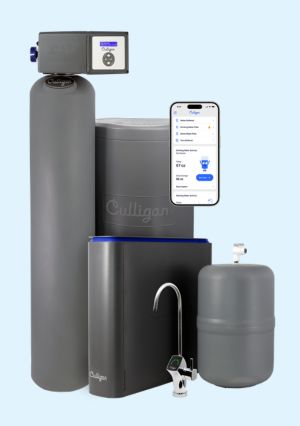
Culligan offers water treatment solutions designed to help with common causes of colored tap water. Depending on the issue, solutions may include whole-home water filters, reverse osmosis drinking water systems, and specialized filtration media.
These systems can help reduce:
- Iron
- Sediment
- Manganese
- Unwanted particles
- Other contaminants that affect water color, taste, and clarity
With the right solution, you can enjoy water that looks cleaner, tastes better, and helps protect your plumbing and appliances.
Find Out What’s Causing Your Tap Water Color
If your tap water looks off, do not ignore it. A change in water color may be a sign that your water needs attention.
Culligan offers free in-home water testing to help you understand your water and find the right solution for your home.