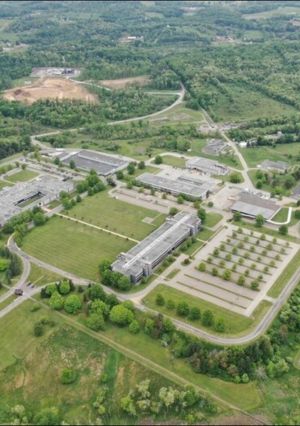
As data center activity remains part of the conversation in the Reading area, many homeowners in West Reading and nearby communities are asking an important question:
What does local growth mean for my home’s water?
West Reading and Reading are part of a region where operating data centers, existing infrastructure, continued development, and long-term demand can bring more attention to water supply, utilities, and water quality. With Reading-area data centers such as Direct LTx Data Center and DaSTOR Reading BCC part of the local landscape, conversations around utilities, infrastructure, and local water systems may feel more relevant for homeowners across Berks County.
That does not mean data center operations are automatically causing water quality problems in nearby homes. But it does mean more people are paying attention to how local water systems are managed, how demand may change over time, and what that could mean for everyday water use in the Reading area.
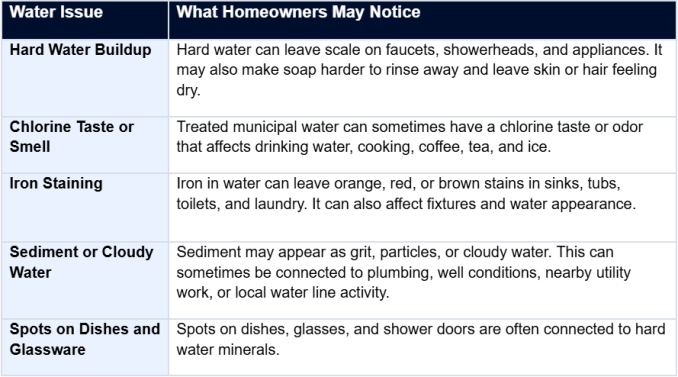
For homeowners in West Reading, Reading, and nearby communities, those conversations matter because water concerns may already be familiar. Hard water buildup, chlorine taste or smell, iron staining, sediment, cloudy water, and spots on dishes can all affect daily life at home. As more attention is placed on infrastructure and long-term planning, more families are taking a closer look at the quality of the water coming into their homes.
Why Data Center Growth Is Getting Local Attention
Data centers support many of the digital tools people use every day, including AI platforms, cloud storage, streaming, business systems, and other online services. These facilities often require large amounts of power, infrastructure, and cooling, which is one reason water use and long-term planning become part of the local conversation.
In the Reading area, operating facilities like Direct LTx Data Center and DaSTOR Reading BCC have made data infrastructure part of the local landscape. That does not mean these facilities are directly changing the water in your home. It does mean more homeowners may be thinking about how continued demand and infrastructure planning could affect local systems over time.
Construction activity, road work, utility work, and ongoing development can also make existing household water issues more noticeable. In some cases, work around roads, water lines, or nearby sites may stir up sediment or draw more attention to water problems that were already present.
What This Can Mean for Homes in West Reading and Berks County
Data center activity does not automatically mean a household will have water quality problems. However, as infrastructure and future demand remain part of the public conversation, more attention is often placed on the quality of the water coming into local homes.
Homeowners in West Reading, Reading, Wyomissing, Sinking Spring, Shillington, Kenhorst, Muhlenberg Township, Exeter Township, Spring Township, and nearby communities may already notice common concerns such as:
- Hard water buildup on faucets, fixtures, and appliances
- Dry-feeling skin or hair after bathing
- Chlorine taste or smell
- Orange, red, or brown iron stains
- Sediment or grit in water
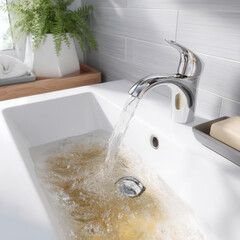
- Cloudy water
- Spots on dishes, glasses, or shower doors
These issues may be related to the local water source, municipal treatment methods, private well conditions, aging pipes, construction activity, or plumbing inside the home.
Growth and infrastructure demand may not create these problems, but they can make them more noticeable and raise more questions about water quality, reliability, and comfort. For homeowners in the Reading area, that makes water testing an important first step.
Common Water Problems Homeowners May Notice
Many families in West Reading, Reading, and nearby Berks County communities deal with water issues that affect daily life throughout the home. Some of the most common concerns include:
Municipal Water vs. Well Water: Why Testing Still Matters
Some homeowners assume that if they have municipal water, they do not need to test it. Others assume that if their water looks clear, everything is fine. The truth is that every home is different.
Municipal water is treated and monitored, but homeowners may still notice issues related to hardness, chlorine taste or smell, sediment, aging pipes, or plumbing inside the home.
Private well water can vary based on groundwater conditions, minerals, nearby land use, and changes over time. Well owners are responsible for monitoring their own water quality, which makes regular testing especially important.
Whether your home uses municipal water or a private well, testing gives you a clearer picture of what is happening at your tap.
Why Water Testing Matters for Homeowners
Water affects daily life in many ways, from drinking and cooking to bathing, cleaning, laundry, and appliances. When water quality issues are present, they can affect more than just taste. They can also affect comfort, cleaning results, fixtures, and the performance of water-using appliances throughout the home.
As conversations continue around infrastructure, demand, and long-term planning in West Reading and the Reading area, many homeowners are paying closer attention to their water.
Even when data center activity is not the direct cause of a household water issue, it can bring more focus to existing concerns and make the signs harder to ignore.
A water test can help identify common concerns such as:
- Hard water
- Chlorine taste or smell
- Iron
- Sediment
- Cloudy water
- Taste and odor concerns
- Other issues that may affect how water looks, tastes, smells, or performs in your home
Once you know what is in your water, it becomes easier to understand whether a water softener, filtration system, or reverse osmosis system may help improve your water.
Finding the Right Water Solution for Your Home
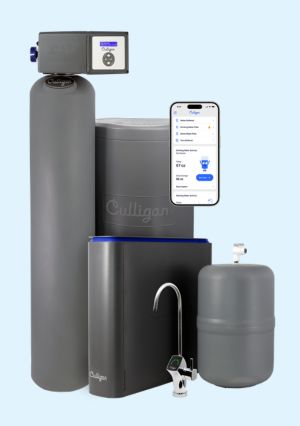
Every home has different water needs. Some homeowners may benefit from a water softener to help reduce hard water problems throughout the home. Others may need a filtration system to help address chlorine, sediment, or taste and odor concerns.
For families looking to improve drinking water quality, a reverse osmosis system can be a good option for cleaner, better-tasting water at the tap.
The best place to start is with testing. Knowing what is in your water helps you make a more informed decision about the right solution for your home and your family.
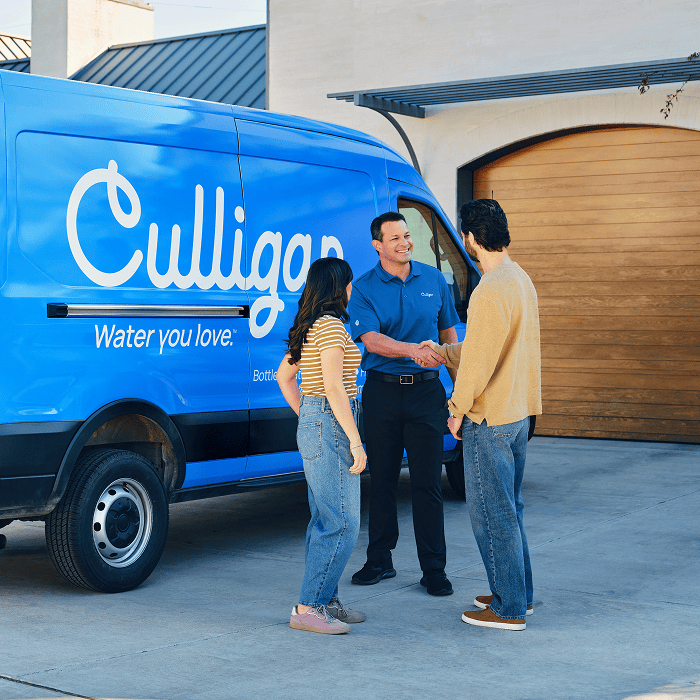
Schedule a Free Water Test with Culligan of West Reading
If you live in West Reading, Reading, Wyomissing, Sinking Spring, Shillington, Kenhorst, Muhlenberg Township, Exeter Township, Spring Township, or a nearby Berks County community, Culligan of West Reading can help you better understand your water.
Our free in-home water test is quick, simple, and designed to help identify common water concerns that may be affecting your home.
Whether you are dealing with hard water buildup, chlorine taste or smell, iron stains, sediment, cloudy water, or spots on dishes, testing is the best place to start.
Ready to check your water?
Culligan of West Reading offers free in-home water testing for homeowners in West Reading, Reading, Wyomissing, Sinking Spring, Shillington, Kenhorst, Muhlenberg Township, Exeter Township, Spring Township, and nearby Berks County communities.